


Blog
GHK-Cu – Skin Glow, Copper Peptide

What is GHK-Cu?
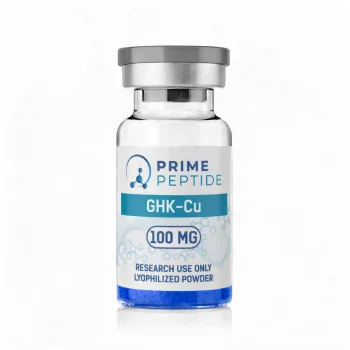
GHK-Cu is a copper complex of the tripeptide glycyl-L-histidyl-L-lysine, consisting of glycine, histidine and lysine. It is also known as a copper peptide, and the copper ion contributes to its characteristic colour.
GHK was identified in the 1970s and occurs naturally in the human body. Research examines its role in cellular signalling and tissue repair. Concentrations of this peptide change with age.
Copper peptides are also found in cosmetic formulations such as skin serums. Findings concerning topical cosmetic use cannot automatically be extrapolated to injectable preparations.
Areas of scientific interest
- Collagen and elastin: research into the structural proteins of the skin.
- Wrinkles, complexion and texture: assessment of cosmetic effects.
- Hydration: research into skin barrier function.
- Tissue repair: investigation of cellular regeneration and healing.
- Inflammation and oxidative stress: examination of cellular responses.
- Hair and scalp: research into processes involving hair follicles.
Scientific and clinical research
The source discusses laboratory and dermatological research on GHK-Cu, particularly its relationship to collagen synthesis, elasticity and inflammatory processes. A distinction must be made between laboratory findings, cosmetic product studies and clinical evidence for the specific product.
Use in research protocols
The method of administration and testing conditions are determined by a specific approved research protocol. Experimental findings do not constitute a recommendation for self-administration, dosing or combining substances in humans.
Possible adverse effects
Topical use may cause redness, irritation or an allergic reaction. Data on injectable formulations are limited. The FDA identifies potential immunological risks associated with peptide aggregation and impurities. Source: FDA – risk assessment.
Comparison with other peptides
hGH: a systemic hormone involved in growth and metabolism, unlike the copper tripeptide complex.
MOTS-c: a mitochondrial peptide studied in energy metabolism.
Epitalon: a peptide studied in cellular regulation and ageing. Different research areas do not establish rejuvenating or therapeutic effects of these substances.
Important: This text is for information and education only. It is not medical advice, instructions for use or confirmation that the particular product is approved for human use. This demonstration website does not conduct active sales.