



Blog
BPC-157 in a dual-chamber pen

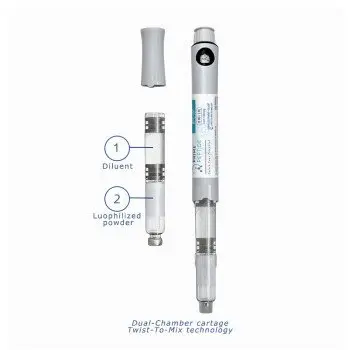
What is a Dual-Chamber Pen?
Dual-Chamber Pen is the name for a pen with two separate chambers. In the system described, one chamber contains a lyophilised peptide and the other a solvent. The components are kept separate within the cartridge during storage.
The reason for this design relates to peptide stability. Some peptides are more stable in dry, lyophilised form than in solution. Contact with the liquid phase may cause physical and chemical changes that affect their stability.
The dual-chamber concept allows separate storage of the components until they are combined in the cartridge. However, the design itself does not establish sterility, stability, quality or safety of a particular product. Appropriate testing and documentation are required.
What is BPC-157?
BPC-157 (Body Protection Compound-157) is a synthetic peptide investigated experimentally in tissue repair and digestive physiology. Initial scientific interest concerned possible protective effects on the gastrointestinal tract.
One mechanism being investigated is angiogenesis, the formation of new blood vessels. Cellular signalling pathways associated with inflammation and tissue healing are also studied. A biological mechanism established in an experimental model does not establish therapeutic efficacy in humans.
Areas of scientific interest
- Muscles, tendons and ligaments: experimental models of injury and repair.
- Joints and cartilage: research into structural tissues.
- Angiogenesis: cellular processes involving blood vessels.
- Digestive system: models of mucosal injury.
- Inflammation: research into inflammatory responses.
- Postoperative recovery, organs and bones: experimental research areas.
- Exercise physiology: tissue responses to physical exertion, not evidence of enhanced athletic performance.
Scientific and clinical research
Most material on BPC-157 concerns preclinical research. The source describes findings from models of tissue injury and inflammatory conditions but does not provide clinical evidence of efficacy in humans.
Use in research protocols
Administration and testing conditions are determined by a specific approved research protocol. Experimental findings do not constitute a recommendation for self-administration, dosing or combining substances in humans.
Possible adverse effects and safety
The source mentions nausea, gastric discomfort and local reactions. A lack of data on serious reactions does not imply low risk. The FDA identifies possible immunological risks and limited safety information for BPC-157. Source: FDA – risk assessment.
Important: This text is for information and education only. It is not medical advice, instructions for use or confirmation that the particular product is approved for human use. This demonstration website does not conduct active sales.